GLPTABS.COM
Oral GLP-1 Tablets
Evidence-Based Insights into Oral Receptor Agonists
A scientific overview of currently approved oral glucagon-like peptide-1 receptor agonists, their mechanisms of action, clinical evidence, and practical considerations for tablet formulations.
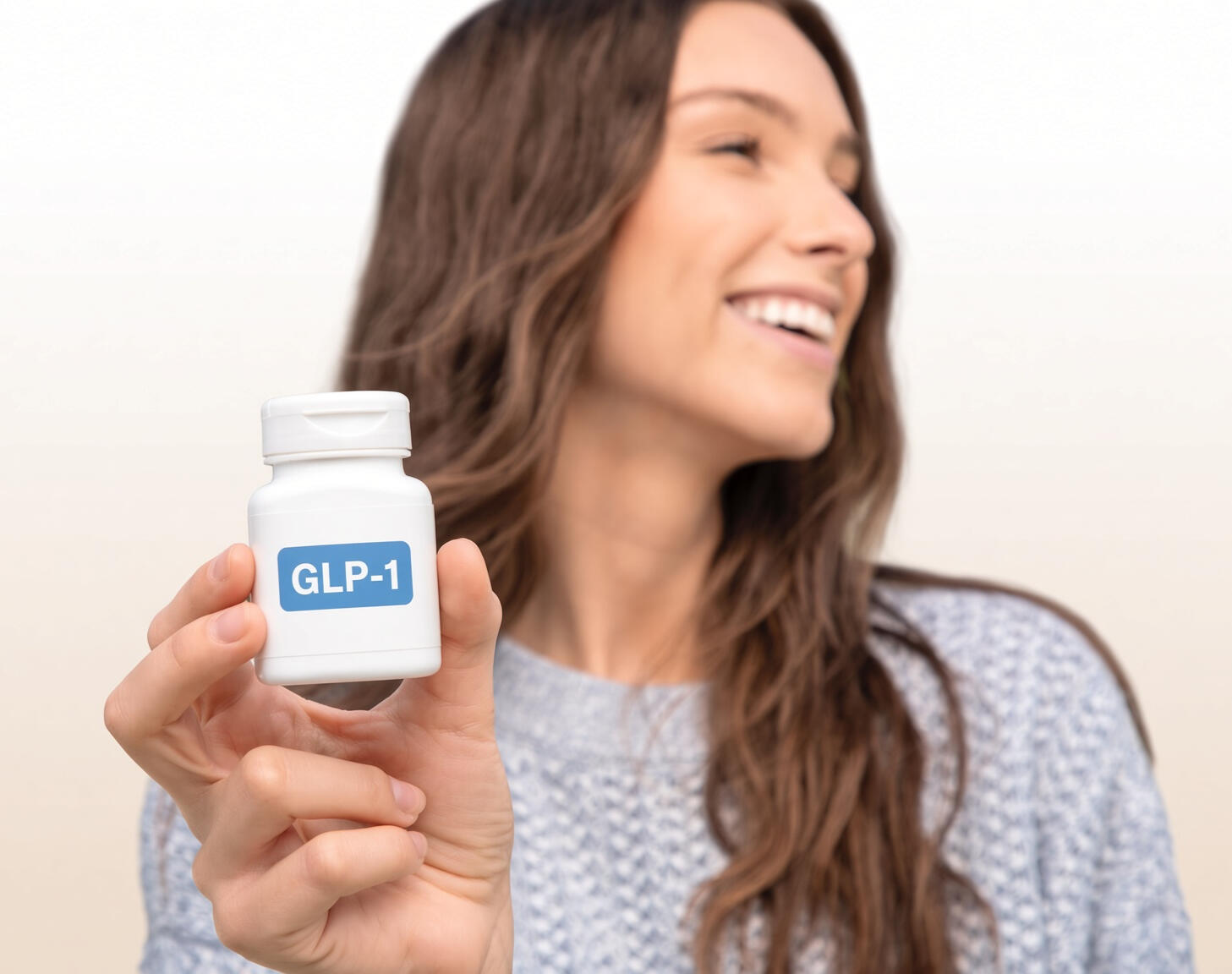

The Science of Oral GLP-1 Receptor Agonists
Peptide Formulations and Small-Molecule Advances
Oral glucagon-like peptide-1 (GLP-1) receptor agonists represent a significant advance in the management of type 2 diabetes and obesity. These medications mimic the actions of the natural incretin hormone GLP-1, enhancing glucose-dependent insulin secretion, suppressing glucagon, slowing gastric emptying, and promoting satiety.
Developing effective oral peptide formulations has historically been challenging due to low bioavailability. The first approved oral semaglutide uses the absorption enhancer SNAC to protect the peptide and facilitate uptake in the stomach. Even with this technology, absolute bioavailability remains low, requiring higher doses than injectable forms.
More recently, non-peptide small-molecule GLP-1 receptor agonists such as orforglipron have been developed. These agents offer high oral bioavailability without the need for absorption enhancers or strict fasting requirements.
Currently approved oral options include Rybelsus (oral semaglutide) for type 2 diabetes, higher-dose oral semaglutide for chronic weight management, and orforglipron for weight management. These formulations differ in structure, administration rules, and pharmacokinetics, providing additional choices for patients and clinicians.
All oral GLP-1 receptor agonists should be used under medical supervision as part of a comprehensive treatment plan that includes lifestyle measures.

Needle-Free Daily Administration
Convenient once-daily oral dosing without the need for injections.

Clinically Demonstrated
Weight Reduction
Significant body weight reduction shown in large Phase 3 clinical trials.

Glycemic Control & Metabolic Benefits
Improvements in blood sugar control and key metabolic markers.

Formulation Science & Flexibility
Advances in oral delivery technology offering greater dosing flexibility.
Challenges of Oral Peptide Delivery
and the Role of SNAC
Oral peptide-based GLP-1 receptor agonists face a fundamental pharmacological challenge: extremely low bioavailability when administered by mouth. Peptides are large, hydrophilic molecules that are rapidly degraded by proteolytic enzymes in the stomach and intestine and have limited ability to cross the gastrointestinal epithelium.
The first successful strategy to overcome this barrier was the incorporation of the absorption enhancer sodium N-(8-[2-hydroxybenzoyl]amino) caprylate, commonly known as SNAC. SNAC creates a transient, localized increase in pH around the tablet as it dissolves in the stomach. This higher pH reduces the activity of pepsin and other digestive enzymes, protecting the semaglutide molecule from degradation. In addition, SNAC promotes the monomerization of semaglutide and facilitates its absorption across the gastric mucosa.
Even with SNAC technology, the absolute oral bioavailability of semaglutide remains low — typically in the range of 0.4% to 1%. This is why the approved oral doses are substantially higher than the corresponding subcutaneous doses. Despite the low percentage of absorption, steady-state plasma concentrations sufficient for clinical efficacy can be achieved with once-daily dosing when the administration instructions are followed carefully.
This formulation approach enabled the first oral GLP-1 receptor agonist to reach the market, but it also introduced specific practical requirements: the tablet must be taken on an empty stomach with a small volume of water, and the patient must wait before eating or taking other oral medications.


Small-Molecule Oral GLP-1 Receptor Agonists
A fundamentally different approach to oral GLP-1 receptor agonism has been achieved with non-peptide, small-molecule compounds. Unlike peptide-based agents, these molecules are chemically synthesized and designed from the outset for oral bioavailability.
Orforglipron is the first small-molecule GLP-1 receptor agonist to receive regulatory approval for chronic weight management. Because of its molecular structure, it does not require an absorption enhancer such as SNAC and can be taken with or without food and without restrictions on water intake. This removes several of the practical limitations associated with oral peptide formulations.
Clinical development of orforglipron included large Phase 3 programs evaluating both weight management (ATTAIN trials) and glycemic control in type 2 diabetes (ACHIEVE trials). These studies demonstrated that once-daily oral administration can produce clinically meaningful reductions in body weight and HbA1c, with a safety profile consistent with the broader GLP-1 receptor agonist class.
The availability of both peptide-based oral formulations (relying on absorption enhancers) and small-molecule oral agents expands the range of options for patients and clinicians. Choice between them may be influenced by individual preferences regarding administration requirements, tolerability during dose escalation, and specific clinical goals.
As with all GLP-1 receptor agonists, these medications are intended to be used in conjunction with a reduced-calorie diet and increased physical activity, and only under the supervision of a healthcare professional.
Currently Available Oral GLP-1 Options
As of 2026, several oral GLP-1 receptor agonists have received regulatory approval and are available for clinical use. These agents differ in their molecular structure, approved indications, dosing requirements, and practical administration instructions.
Rybelsus (oral semaglutide) was the first oral GLP-1 receptor agonist approved. It is indicated for the treatment of type 2 diabetes as an adjunct to diet and exercise. Higher-dose oral semaglutide tablets have subsequently been approved for chronic weight management in adults with obesity or overweight with at least one weight-related comorbidity.
Orforglipron (Foundayo), a non-peptide small-molecule GLP-1 receptor agonist, has been approved for chronic weight management. Its key practical distinction is the absence of food and water restrictions that apply to oral peptide formulations.
These differences in formulation technology translate into different patient instructions. Oral semaglutide tablets generally require administration in the fasting state with a limited volume of water, followed by a waiting period before food or other oral medications. Orforglipron can be taken with or without food and without such restrictions.
The choice between available oral agents depends on the specific clinical indication, patient preference regarding administration complexity, individual tolerability, and the prescribing clinician’s assessment of the overall benefit-risk profile.
All currently approved oral GLP-1 receptor agonists are prescription medications and are intended to be used as part of a comprehensive management plan that includes lifestyle modification.
❓ FAQ: Oral GLP-1 Receptor Agonists
Q: Why do oral peptide GLP-1 agonists have low bioavailability?
A: Peptides are large molecules that are easily broken down by digestive enzymes and poorly absorbed through the gastrointestinal tract. Even with absorption enhancers such as SNAC, only a small percentage of the dose reaches the bloodstream.
Q: What is the main practical difference between oral semaglutide and orforglipron?
A: Oral semaglutide generally requires administration on an empty stomach with a limited amount of water and a waiting period before eating. Orforglipron, as a small-molecule agent, can be taken with or without food and without these restrictions.
Q: Are oral GLP-1 tablets as effective as injectable versions?
A: Higher-dose oral formulations have demonstrated clinically meaningful reductions in body weight and HbA1c in Phase 3 trials. The exact magnitude of effect depends on the specific agent, dose, and patient population.
Q: Do oral GLP-1 medications require a prescription
A: Yes. All currently approved oral GLP-1 receptor agonists are prescription-only medicines and should only be used under the supervision of a qualified healthcare professional.
Q:What are the most common side effects of oral GLP-1 receptor agonists?
A: Gastrointestinal effects such as nausea, vomiting, diarrhea, and constipation are the most frequently reported. These are usually most noticeable during the dose-escalation phase and often decrease over time.
Q: Can oral GLP-1 tablets be used without lifestyle changes
A: No. These medications are approved as an adjunct to a reduced-calorie diet and increased physical activity. They are not intended to replace lifestyle measures.

Why Patients Prefer Oral Over
Injectable GLP-1 Therapies
Many patients express a clear preference for oral medications over injectable therapies. Needle aversion, injection-site reactions, the need for proper storage and handling of pens or syringes, and the psychological barrier of self-injection are frequently cited reasons for delayed initiation or discontinuation of injectable GLP-1 receptor agonists.Oral formulations remove these barriers entirely. Once-daily tablets can be integrated into existing medication routines with minimal disruption. For individuals who travel frequently, have limited dexterity, or simply prefer not to use needles, the oral route offers a meaningful practical advantage.Clinical experience and patient-reported outcomes consistently show higher acceptance of oral administration when efficacy and tolerability are comparable. This preference can translate into improved willingness to start therapy and potentially better long-term persistence, although real-world adherence data continue to be evaluated.It is important to note that preference alone does not determine clinical suitability. The decision between oral and injectable options should always be made in consultation with a healthcare professional, taking into account individual medical history, treatment goals, and the specific pharmacological properties of each agent.
Administration Requirements: Oral Semaglutide vs Orforglipron
Not all oral GLP-1 receptor agonists have the same administration rules. Understanding these differences is important for both patients and clinicians.Oral semaglutide (including Rybelsus and higher-dose tablets) must be taken on an empty stomach with a small volume of water (typically no more than 120 ml). After swallowing the tablet, the patient should wait at least 30 minutes before eating, drinking, or taking any other oral medications. These restrictions exist because the absorption enhancer SNAC works most effectively under fasting conditions in the stomach.In contrast, orforglipron, as a small-molecule agent, does not require an absorption enhancer. It can be taken with or without food and without restrictions on water volume or timing relative to meals. This greater flexibility may be preferable for individuals with irregular schedules or those who find fasting requirements difficult to maintain.These practical differences do not automatically make one agent superior to the other. Efficacy, tolerability, approved indications, and individual patient factors all play a role in treatment selection. The prescribing healthcare professional will consider the full clinical picture when recommending a specific oral GLP-1 receptor agonist.


Adherence and Real-World Persistence with Oral GLP-1 Therapies
Adherence to chronic medications is a critical factor in achieving long-term clinical benefits. For GLP-1 receptor agonists, both injectable and oral formulations face challenges related to persistence over time.Oral administration eliminates needle-related barriers, which may improve the likelihood that patients will initiate and continue therapy. However, daily dosing (as opposed to once-weekly injections) introduces a different adherence requirement. Patients must remember to take the tablet every day, and for oral semaglutide, they must also follow specific fasting instructions.Real-world data on long-term persistence with oral GLP-1 receptor agonists are still accumulating. Early observations suggest that convenience of the oral route can support better acceptance, particularly among individuals who previously declined or discontinued injectable therapy due to injection-related concerns.Factors that influence adherence include tolerability during the dose-escalation phase, the complexity of administration instructions, patient education, and ongoing support from healthcare providers. Simplified regimens, such as those without food restrictions, may further reduce barriers for some patients.Ultimately, the most effective therapy is the one that a patient can take consistently over time. Shared decision-making between the patient and clinician remains essential to select the formulation that best matches both clinical needs and practical lifestyle factors.
Switching from Injectable to Oral GLP-1 Therapy
Some patients who have been using injectable GLP-1 receptor agonists may wish to transition to an oral formulation. Reasons can include injection fatigue, lifestyle changes, travel demands, or simple preference for tablets.Switching is possible but should always be guided by a healthcare professional. The process typically involves stopping the injectable agent and initiating the oral medication according to its specific dosing and titration schedule. Because the pharmacokinetic profiles differ, a direct milligram-to-milligram conversion is not appropriate.For patients moving from a once-weekly injectable to a once-daily oral agent, education about the new administration routine is essential. In the case of oral semaglutide, patients need clear instructions regarding fasting requirements. For orforglipron, the absence of food restrictions may make the transition simpler from a practical standpoint.Clinical trials have examined switching strategies, including the use of oral agents to help maintain weight loss previously achieved with injectables. Results indicate that oral formulations can support continued metabolic benefits when used appropriately.Any switch should be accompanied by monitoring of tolerability, glycemic control (if applicable), and weight trajectory. Patients should be advised not to attempt switching independently.

❓ FAQ: Needle-Free Oral GLP-1 Therapy
Q: Why do some patients prefer oral GLP-1 tablets over injections?
A: Many people experience needle aversion, discomfort with self-injection, or practical difficulties with storage and travel. Oral tablets remove these barriers.
Q: Are the administration rules the same for all oral GLP-1 medications?
A: No. Oral semaglutide requires taking the tablet on an empty stomach with a small amount of water and waiting before eating. Orforglipron does not have these restrictions.
Q: Does choosing an oral formulation improve long-term adherence?
A: Oral administration can improve willingness to start and continue therapy for patients who dislike injections. However, daily dosing still requires consistent habits. Real-world persistence data are still being gathered.
Q: Can I switch from an injectable GLP-1 to an oral tablet on my own?
A: No. Any switch should be supervised by a healthcare professional. Dosing and titration schedules differ, and a direct conversion is not appropriate.
Q: Is one oral GLP-1 agent clearly better than another for convenience?
A: Orforglipron offers greater flexibility because it can be taken with or without food. The best choice depends on individual clinical needs and preferences, determined together with a clinician.
Q: Do oral GLP-1 tablets still require lifestyle changes?
A: Yes. All approved oral GLP-1 receptor agonists are intended to be used together with a reduced-calorie diet and increased physical activity.

Phase 3 Results of Oral Semaglutide
for Weight Management
Higher-dose oral semaglutide has been evaluated in large Phase 3 clinical trials for chronic weight management. In the OASIS program, once-daily oral semaglutide at doses of 25 mg and 50 mg produced substantial reductions in body weight in adults with overweight or obesity.In one key trial, participants receiving oral semaglutide 25 mg achieved a mean weight loss of approximately 13.6% at 64 weeks, compared with 2.2% in the placebo group. A significant proportion of participants reached weight-loss thresholds of 10% and 15% or more.These results demonstrated that an oral peptide formulation, when dosed appropriately, can deliver clinically meaningful weight reduction. The trials also assessed secondary outcomes including changes in waist circumference, blood pressure, and lipid parameters, many of which showed favorable trends.As with other GLP-1 receptor agonists, gastrointestinal side effects were the most common adverse events and were generally most prominent during dose escalation. The studies reinforce that oral semaglutide, when used under medical supervision together with lifestyle measures, represents an evidence-based option for weight management.
Phase 3 Results of Orforglipron
for Weight Management
Orforglipron, a once-daily oral small-molecule GLP-1 receptor agonist, has been evaluated in the large ATTAIN Phase 3 clinical trial program for chronic weight management.In adults with obesity or overweight, orforglipron produced clinically significant reductions in body weight. At the highest doses studied, mean weight loss approached or exceeded 10–12% over 72 weeks in key trials, with a substantial proportion of participants achieving categorical weight-loss targets of 5%, 10%, and 15%.Because orforglipron is a non-peptide molecule, it does not require the fasting and water restrictions associated with oral semaglutide. This practical difference was maintained throughout the clinical development program.The safety profile observed in the ATTAIN trials was consistent with the GLP-1 receptor agonist class. Gastrointestinal adverse events were the most frequently reported and were generally manageable with gradual dose escalation.These data support orforglipron as an evidence-based oral option for weight management in appropriate patients, used in conjunction with lifestyle modification and under medical supervision.


How Oral Efficacy Compares
to Injectable GLP-1 Receptor Agonists
A frequent question is how the weight-loss results of oral GLP-1 receptor agonists compare with those of injectable formulations. While direct head-to-head trials remain limited, data from large Phase 3 programs allow for reasoned comparison.Higher-dose oral semaglutide has demonstrated mean body weight reductions in the range typically seen with established injectable GLP-1 receptor agonists in similar patient populations and trial durations. Orforglipron has also shown clinically meaningful average weight loss in its Phase 3 program, with a substantial proportion of participants reaching key categorical weight-loss thresholds.Exact percentages vary across studies depending on baseline characteristics, trial length, and the intensity of lifestyle intervention. Individual responses differ significantly — some people achieve greater reduction with injectable agents, while others respond equally well to oral formulations.Efficacy is only one factor in treatment selection. Patient preference for route of administration, tolerability, practicality of dosing, and the overall clinical context all play important roles. The most appropriate choice is determined through shared decision-making with a qualified healthcare professional.
Weight Loss Maintenance
and Individual Response
Achieving weight reduction is only one part of long-term management. Maintaining the lost weight over time remains a significant challenge with all current obesity treatments, including oral GLP-1 receptor agonists.Clinical data indicate that continued use of the medication, together with sustained lifestyle measures, is generally required to help maintain weight loss. When treatment is stopped, a substantial proportion of the lost weight is often regained, similar to what is observed with injectable GLP-1 receptor agonists.Individual responses to oral GLP-1 therapies vary widely. Some people experience robust weight reduction, while others have more modest results. Factors that may influence response include baseline body weight, metabolic status, adherence to dosing instructions, tolerability during titration, and the degree of concurrent lifestyle change.Because of this variability, regular follow-up with a healthcare professional is important to assess progress, manage side effects, and decide whether to continue, adjust, or change therapy.Oral GLP-1 receptor agonists provide an additional evidence-based tool, but they are not a standalone solution. Sustainable results depend on a comprehensive approach tailored to the individual.

❓ FAQ: Oral GLP-1 and Weight Management
Q: How much weight loss can be expected with oral GLP-1 tablets?
A: In large Phase 3 trials, higher-dose oral formulations have produced clinically meaningful average weight reduction. Individual results vary significantly.
Q: Is the weight loss with oral agents comparable to injectable GLP-1 medications?
A: Data from separate Phase 3 programs suggest that higher-dose oral options can achieve weight-loss results in a range similar to some injectable formulations, though direct head-to-head comparisons are limited.
Q: What happens to the weight when the medication is stopped?
A: As with injectable GLP-1 receptor agonists, a substantial portion of the lost weight is often regained after treatment discontinuation if lifestyle measures are not maintained.
Q: Why do some people lose more weight than others on the same medication?
A: Response varies due to differences in baseline characteristics, adherence, tolerability, metabolic factors, and the degree of concurrent lifestyle change.
Q: Can oral GLP-1 tablets be used as a standalone solution for weight loss?
A: No. They are approved as an adjunct to a reduced-calorie diet and increased physical activity.
Q: Who decides whether an oral GLP-1 medication is appropriate?
A: Only a qualified healthcare professional can determine suitability based on the individual’s medical history, goals, and overall clinical picture.

Effects of Oral GLP-1 Receptor
Agonists on Blood Sugar Control
Oral GLP-1 receptor agonists improve glycemic control through several complementary mechanisms. They enhance glucose-dependent insulin secretion from pancreatic beta cells, suppress inappropriate glucagon release, and slow gastric emptying. These actions help reduce both fasting and postprandial blood glucose levels.In clinical trials involving people with type 2 diabetes, oral formulations have demonstrated meaningful reductions in HbA1c. The magnitude of improvement depends on the specific agent, dose, baseline HbA1c, and concurrent diabetes therapies.Because the insulinotropic effect is glucose-dependent, the risk of hypoglycemia is low when these medications are used without insulin or sulfonylureas. This is a recognized advantage of the GLP-1 receptor agonist class.Improved glycemic control is one of the core evidence-based benefits of oral GLP-1 therapies and contributes to their approved indications in type 2 diabetes management.
Impact on Insulin Sensitivity
and Broader Metabolic Health
Beyond direct effects on insulin secretion and glucagon, oral GLP-1 receptor agonists influence several aspects of metabolic health. Weight reduction itself often leads to improvements in insulin sensitivity, which further supports better blood glucose control.Clinical studies have also shown favorable changes in additional metabolic markers. These can include reductions in waist circumference, improvements in lipid profiles (such as triglycerides and non-HDL cholesterol), and modest decreases in blood pressure in some participants.These broader metabolic effects are considered important because they address multiple cardiometabolic risk factors simultaneously. The combination of improved glycemic control, weight reduction, and positive changes in related markers contributes to the overall clinical value of the GLP-1 receptor agonist class.As always, the extent of these benefits varies between individuals and depends on baseline status, adherence, and concurrent lifestyle measures. Treatment should be guided by a healthcare professional as part of a comprehensive management plan.


Changes in Cardiometabolic Risk Markers
In addition to effects on blood glucose and body weight, oral GLP-1 receptor agonists have been shown in clinical trials to influence several cardiometabolic risk markers. These can include reductions in waist circumference, improvements in triglyceride levels, and modest decreases in systolic blood pressure in some study populations.These changes are considered relevant because they address multiple factors associated with long-term cardiovascular risk. The overall cardiometabolic profile of the GLP-1 receptor agonist class is one of the reasons these medications have received attention beyond glycemic control and weight management alone.The magnitude of effect on these markers varies between individuals and across different trials. Not every patient experiences the same degree of improvement, and results depend on baseline values, treatment duration, and concurrent lifestyle factors.As with all outcomes, these findings come from controlled clinical studies and should be interpreted in the context of individualized medical care.
Metabolic Benefits Beyond Weight and Glucose
While weight reduction and improved blood sugar control are the most prominent effects of oral GLP-1 receptor agonists, research continues to explore additional metabolic actions. These may include effects on liver fat, inflammatory markers, and other pathways related to metabolic health.Some clinical and mechanistic studies suggest potential benefits in areas such as metabolic dysfunction-associated steatotic liver disease (previously known as NAFLD) and certain markers of systemic inflammation. However, these findings are still evolving and are not yet the primary approved indications for most oral agents.It is important to maintain a clear distinction between established, evidence-based benefits (glycemic control and weight management) and emerging areas of investigation. Patients and clinicians should rely on approved indications and current clinical guidelines when making treatment decisions.Ongoing research will further clarify the full metabolic profile of both peptide-based and small-molecule oral GLP-1 receptor agonists.

❓ FAQ: Glycemic Control & Metabolic Benefits
Q: How do oral GLP-1 receptor agonists help control blood sugar?
A: They enhance glucose-dependent insulin secretion, suppress glucagon, and slow gastric emptying, which together help lower both fasting and after-meal blood glucose levels.
Q: Do these medications improve insulin sensitivity?
A: Weight reduction achieved with oral GLP-1 therapies often leads to improved insulin sensitivity, which further supports better glycemic control.
Q: What other metabolic markers can improve?
A: Clinical trials have shown possible beneficial changes in waist circumference, triglycerides, and blood pressure in some participants.
Q: Are there benefits beyond weight loss and blood sugar control?
A: Research is exploring additional effects, including on liver fat and inflammation, but these are not yet primary approved indications for most oral agents.
Q: Is the risk of low blood sugar high with oral GLP-1 tablets?
A: The risk of hypoglycemia is low when these medications are used without insulin or sulfonylureas, because their effect on insulin is glucose-dependent.
Q: Should metabolic benefits be the main reason to use these medications?
A: Treatment decisions should be based on approved indications and individual clinical needs, always under the guidance of a healthcare professional.

Bioavailability Challenges of Oral Peptides
and the Role of SNAC
Developing effective oral versions of peptide-based medications has long been difficult. Peptides are large molecules that are easily broken down by digestive enzymes and have poor absorption through the gut wall. This results in very low natural bioavailability when taken by mouth.The first approved oral GLP-1 receptor agonist overcame this barrier by using an absorption enhancer called SNAC (sodium N-[8-(2-hydroxybenzoyl) amino] caprylate). SNAC helps protect the peptide in the stomach and improves its absorption. Even with this technology, only a small percentage of the dose reaches the bloodstream, which is why higher oral doses are needed compared with injections.This approach made the first oral peptide GLP-1 medication possible, but it also created specific administration requirements related to timing with food and water.
Small-Molecule Oral GLP-1 Agonists: A Different Approach
Small-molecule GLP-1 receptor agonists represent a different pharmaceutical strategy. Instead of using a peptide that needs protection and enhancement for absorption, these compounds are designed as smaller chemical structures that can be absorbed more readily after oral administration.Because of their molecular design, they generally do not require absorption enhancers such as SNAC and can be taken without the strict fasting and water restrictions that apply to oral peptide formulations. This offers greater practical flexibility for daily use.Clinical development of the first approved small-molecule oral GLP-1 receptor agonist has shown that this approach can deliver clinically meaningful effects on both weight and glycemic control. The different formulation technology expands the range of options available to patients and clinicians.


Practical Dosing Flexibility and Patient Convenience
One of the key practical differences between oral GLP-1 formulations lies in dosing flexibility. Peptide-based oral tablets that rely on absorption enhancers typically require administration in the fasting state with limited water, followed by a waiting period before food or other medications.Small-molecule oral GLP-1 receptor agonists were designed to avoid these constraints. They can generally be taken with or without food and without strict timing restrictions relative to meals. This greater flexibility may better suit people with irregular schedules, shift work, or those who find fasting requirements difficult to maintain consistently.Convenience of administration is an important factor in long-term treatment success. While efficacy and safety remain the primary considerations, practical aspects of daily use can influence a patient’s ability to adhere to therapy over time.The availability of both approaches allows healthcare professionals to match the formulation to the individual’s lifestyle and preferences.
Important Safety Considerations and Clinical Oversight
All oral GLP-1 receptor agonists are prescription medications and carry class-related safety considerations. The most common side effects are gastrointestinal (nausea, vomiting, diarrhea, constipation) and tend to be most noticeable during the initial dose-escalation period.More serious but less common risks associated with the GLP-1 receptor agonist class include potential thyroid C-cell tumors (observed in rodent studies), pancreatitis, gallbladder issues, and contraindications in certain patients (such as those with a personal or family history of medullary thyroid carcinoma or Multiple Endocrine Neoplasia syndrome type 2).Because of these factors, treatment should always be initiated and monitored by a qualified healthcare professional. Patients need clear education on proper administration, what side effects to expect, and when to seek medical attention.Oral formulations expand access and convenience, but they do not change the need for careful medical supervision and individualized benefit-risk assessment.
❓ FAQ: Formulation Science & Flexibility
Q: Why is it difficult to make oral versions of peptide GLP-1 medications?
A: Peptides are large molecules that are easily broken down by digestive enzymes and poorly absorbed in the gut, resulting in very low natural bioavailability.
Q: What is SNAC and why is it used?
A: SNAC is an absorption enhancer that helps protect the peptide and improve its uptake in the stomach. It made the first oral peptide GLP-1 medication possible.
Q: How do small-molecule oral GLP-1 agonists differ?
A: They are designed as smaller chemical structures that can be absorbed more easily, without needing absorption enhancers or strict fasting rules.
Q: Do all oral GLP-1 tablets have the same dosing restrictions?
A: No. Peptide-based tablets usually require taking them on an empty stomach with limited water. Small-molecule versions generally offer more flexibility with food and timing.
Q: Does greater dosing flexibility improve results?
A: Flexibility can make it easier for some people to take the medication consistently, which supports long-term adherence. Efficacy and safety remain the primary factors.
Q: Why is medical supervision still required with oral formulations?
A: All oral GLP-1 receptor agonists are prescription medicines with class-related risks and side effects. A healthcare professional must assess suitability, monitor treatment, and provide guidance.
Nibh natoque ante
Luctus eget adipiscing ipsum eleifend odio fusce. Laoreet tempus malesuada commodo tempor sociis dolor. Sociis accumsan risus ante erat ligula libero elit integer lacinia metus cubilia mus. Mollis tempus vel fringilla amet sem scelerisque nulla interdum sit amet eget praesent curae. Proto sed sagittis sit tortor.
Thank you
Mi dui sociis elit tincidunt eleifend. Iaculis quisque vel vestibulum suspendisse imperdiet. Tortor enim metus mollis suspendisse rutrum tellus.